
You signed a contract for $80,000 and felt good about it. Four months later, the final invoice reads $97,500. Nothing went wrong, exactly. The crew was professional and the work looks great. So where did the extra $17,500 come from?
That quiet gap is the reality of remodeling costs Los Angeles homeowners run into constantly, and most of it was predictable. The number on a glossy estimate and the number you actually pay are two different things. This guide shows what real LA projects cost in 2026, where the extra money goes and how to plan for it before you sign.
Why Remodeling Costs Los Angeles Homeowners Pay Run Higher
Start with the market itself. Construction in LA costs noticeably more than national averages. Skilled trades are in high demand, licensing and insurance requirements are strict, and the permit process is detailed. A “national average” kitchen price you found online is usually low for this county before anyone opens a wall.
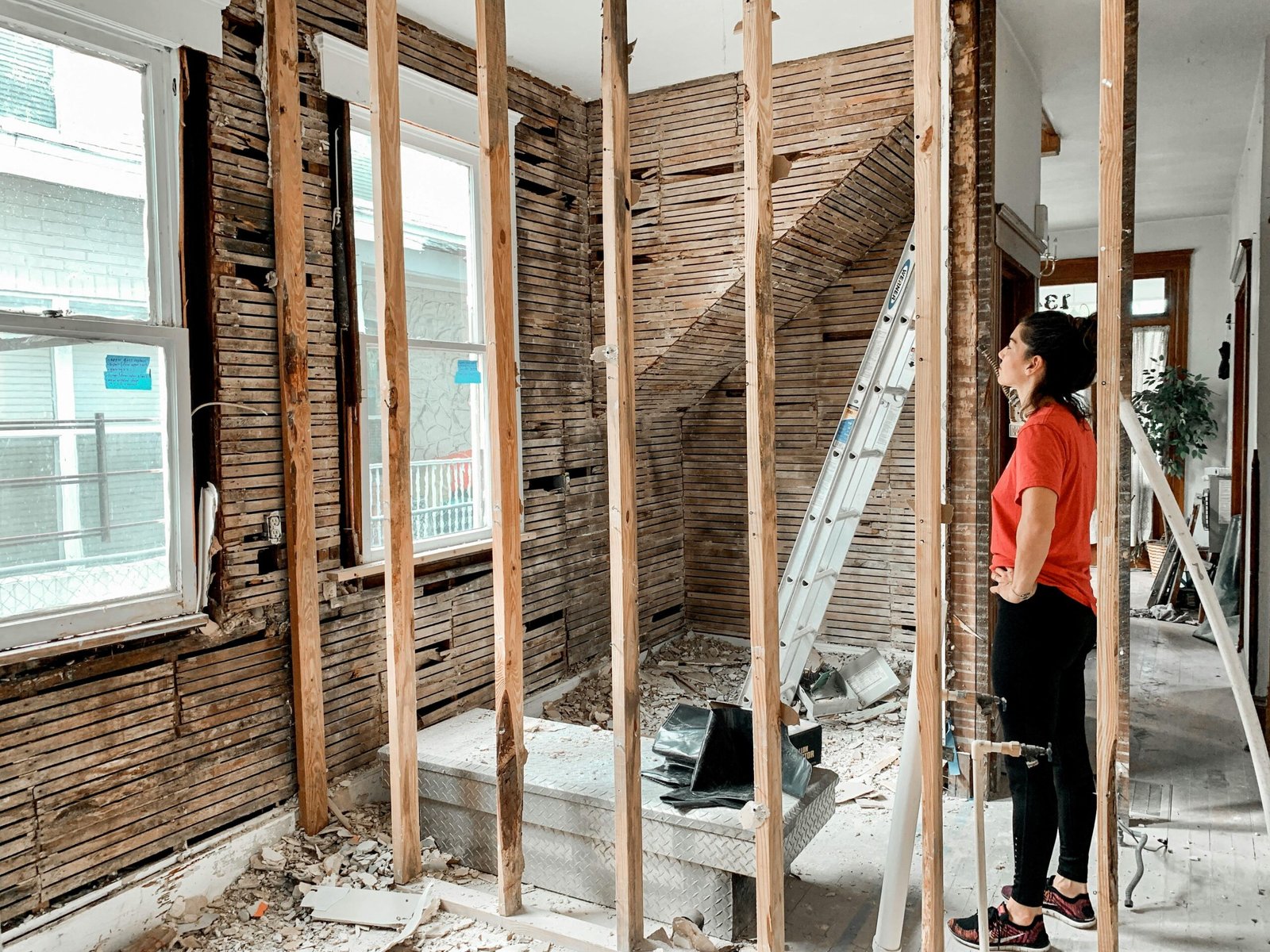
Then there is the housing. Many LA homes were built before 1960, and behind their charming plaster walls you often find galvanized plumbing, knob-and-tube wiring, asbestos and framing that no longer meets code. None of that shows up in a walkthrough estimate, but all of it can surface during demolition. In an older home, these surprises are less bad luck than high probability, and they are a big reason remodeling costs Los Angeles homeowners pay climb after demolition.
Typical Remodeling Costs Los Angeles: 2026 Ranges by Project
These are realistic starting ranges for remodeling costs Los Angeles contractors quote for licensed, permitted work. Your home’s size, age and finishes will move the number up or down.
- Kitchen remodel: about $30,000 for a partial update to $120,000 or more for a high-end custom kitchen. See our full kitchen remodel cost guide.
- Bathroom remodel: about $18,000 to $45,000 for most baths, and $75,000 or more for luxury primary suites.
- ADU or garage conversion: about $120,000 to $300,000, depending on size, site work and finishes.
- Whole-home renovation: about $180,000 to $450,000 for a 2,500 square foot home, depending on structural work and finishes.
Neighborhood affects remodeling costs Los Angeles projects reach, too. Projects in Woodland Hills and much of the Valley often land in the lower to middle part of these ranges, while homes in Beverly Hills, Pacific Palisades and Santa Monica tend to run higher because of finish expectations, access and demand.
Where the Extra Money Actually Goes
A well-planned budget usually splits into three parts: about 70% to 80% hard costs (labor and materials), 10% to 15% soft costs, and a 15% to 20% contingency. The problem is that many estimates of remodeling costs Los Angeles homeowners receive only show the first part. Here is what often lives in the other two:
- Design and engineering: architectural drawings around $8,000 to $15,000 and structural engineering around $3,000 to $7,000 for larger projects
- Permits and plan check through LADBS or your city’s building department
- Asbestos or lead testing: $250 to $750, with abatement from $1,500 to $5,000 or more
- Termite and dry-rot repairs once framing is exposed: $1,000 to $5,000 or more
- Electrical panel upgrade for modern loads: $3,000 to $5,000
- Re-piping old galvanized lines: $4,000 to $15,000
- Debris removal and dump fees: $400 to $900
- Sales tax on materials, and extra meals out while your kitchen is unusable
This is the real gap between estimated and actual remodeling costs Los Angeles homeowners pay. The estimate is the floor, not the ceiling. For a deeper look at each category, read our guide to the 7 hidden costs of home renovation.
What Pushes Remodeling Costs Los Angeles Higher
- Home age. Pre-1960 homes carry the highest odds of abatement, rewiring and re-piping.
- Moving things. Once walls, plumbing or gas lines move, framing, engineering and inspections pile on fast.
- Unrealistic allowances. A $2,000 tile allowance you will never actually hit guarantees an overage later.
- Change orders. Every change after work begins is billed at a premium.
- Permit scope. Structural, electrical and HVAC work all require permits and inspections you cannot skip.
- Hillside or coastal sites. Access, soils and extra reviews can add cost in canyon and beach neighborhoods.
Tip: In an older LA home, a pre-construction inspection of the electrical panel, sewer line and any suspect materials costs little and can prevent five-figure surprises.
Common Budget Mistakes to Avoid
Homeowners who get burned usually miss the same things. The biggest is treating the lowest bid as the best bid. A suspiciously low number often means thin allowances and vague scope that get made up later in change orders. Skipping a real contingency is next, because a remodel without a 15% to 20% cushion has no room for the surprise that is statistically coming. Accepting a verbal scope instead of a written one is the third.
Before you sign anything, use this five-point checklist:
- Allowances confirmed in writing
- A payment schedule tied to completed milestones
- A clear, written change order process
- License and bond verified with the state
- Lien releases required from subcontractors
Those five lines prevent most remodeling disputes and keep remodeling costs Los Angeles projects reach close to what you planned.
A Contractor’s Take
Many estimates are built to win the job, not to predict the final cost. That is why two bids on the same kitchen can differ by $30,000, and why comparing remodeling costs Los Angeles contractors quote takes more than a glance at the total. The cheaper one is not always cheaper. It is often just less complete.
The best protection is a thorough site assessment before a number is promised. A contractor who checks your panel capacity and asks about your home’s age is doing you a favor, even if the number comes back higher. We would rather quote a client $95,000 they will actually pay than $80,000 that balloons. A design-build approach, where one team designs and builds, also helps by reducing redesigns and change orders. Transparency is not a feature. It is the whole job.
Remodeling Costs Los Angeles FAQs
Why is my final bill higher than the estimate?
Usually because of soft costs, change orders and old-home surprises the estimate excluded or underestimated. Demolition reveals what a walkthrough cannot.
How much contingency should I set aside?
Plan for 15% to 20% of your total budget. In a pre-1960 LA home, lean toward the higher end.
Are permits really that expensive?
They add real cost, but unpermitted work costs far more later by stalling escrow and appraisals at resale.
Why are change orders so costly?
They disrupt a schedule that is already in progress, so they are billed at a premium. Lock in decisions early.
How do I compare remodeling bids fairly?
Get detailed written scopes, confirm allowances and compare bids on identical specifications, not just totals.
Do older homes always cost more to remodel?
Not always, but they carry much higher odds of hidden electrical, plumbing and abatement work once walls are opened.
Final Thoughts
The truth about remodeling costs Los Angeles homeowners face is that very little is truly hidden. It is just unspoken. Soft costs, contingency, abatement and change orders can all be identified up front if someone looks before quoting. An honest higher number always beats a low fantasy one.
If you are planning a project this year, the best way to control remodeling costs Los Angeles projects carry is to ask for a written scope with allowances spelled out and a contingency line included, not buried. Explore our kitchen, bathroom and ADU services to see how we plan every project.