
You fell in love with a matte black faucet, but your shower trim is brushed nickel and the light fixture you want is aged brass. Now you are frozen, worried the bathroom will look like a mismatched afterthought.
Here is the good news: mixing metal finishes in the bathroom is not only allowed in 2026, it is exactly what designers are doing to create depth and a custom, collected look. The days of everything matching in one finish are over.
But there is a real difference between an intentional mix and an accidental mess. Done with a few simple rules, mixed metals look layered and expensive. Done randomly, they look like you shopped without a plan.
Here is how to get it right.
What Mixing Metal Finishes in Bathroom Design Means for LA
For years the safe move was one finish everywhere, usually chrome or brushed nickel. That matchy look now reads as dated and flat.
The 2026 approach embraces contrast, combining two or three finishes for a bathroom that feels designed rather than ordered from a single catalog page.
This suits Los Angeles design especially well. Our homes span so many styles, from Spanish revival to midcentury to sleek modern, that a thoughtful metal mix lets you layer warmth and character to match the architecture.
Aged brass against matte black bathroom fixtures brings soul to a modern bath, while brushed nickel and brass bathroom combinations warm up a traditional one.
As part of the broader move toward warm, collected, spa-like design, luxury bathroom finishes in 2026 are all about intentional contrast. The trick is knowing which metals to combine and where to place them, which is exactly what separates a designer look from a mistake.
Cost and Investment: What Fixture Finishes Run in LA
Finishes affect both budget and feel, so here are honest 2026 LA figures.
- Faucets: $150 to $800 each depending on finish and quality, with specialty finishes at the higher end
- Shower systems and trim: $300 to $1,500 and up
- Cabinet hardware and towel bars: $15 to $80 per piece
- Light fixtures and mirrors: $150 to $1,000 for quality pieces
- Total fixture and hardware package for a full bath: often $2,000 to $6,000
The good news is that finish choice rarely changes the price dramatically. A matte black or brass faucet usually costs about the same as chrome, so mixing metals is a design decision, not a big budget one.
Where it pays to invest is quality, because cheap finishes wear, chip, and discolor, and a worn fixture undoes the whole look.
One smart, low cost move is swapping just the visible mixed metal bathroom fixtures — faucet, hardware, and lighting — that can refresh a dated bathroom for a fraction of a full remodel.
Mixing Metal Finishes in Bathroom Design: The Rules
A successful mix is not random. These are the rules that keep it intentional, the answer to how to mix metals in bathroom design.
- Pick a dominant metal. Choose one finish to lead, roughly 60 to 70 percent of the metal in the room, then add one or two accents. A clear hierarchy reads as intentional.
- Limit to two or three finishes. More than three start to look chaotic. Restraint is what separates layered from busy.
- Balance warm and cool. Pair a warm metal like brass with a cool one like nickel or black for contrast that feels deliberate.
- Repeat each finish. Never use a metal only once. Echo it in at least two places so it looks planned, not stray.
- Separate by zone or function. Keep plumbing fixtures in one finish and hardware or lighting in another, a clean, foolproof way to divide metals.
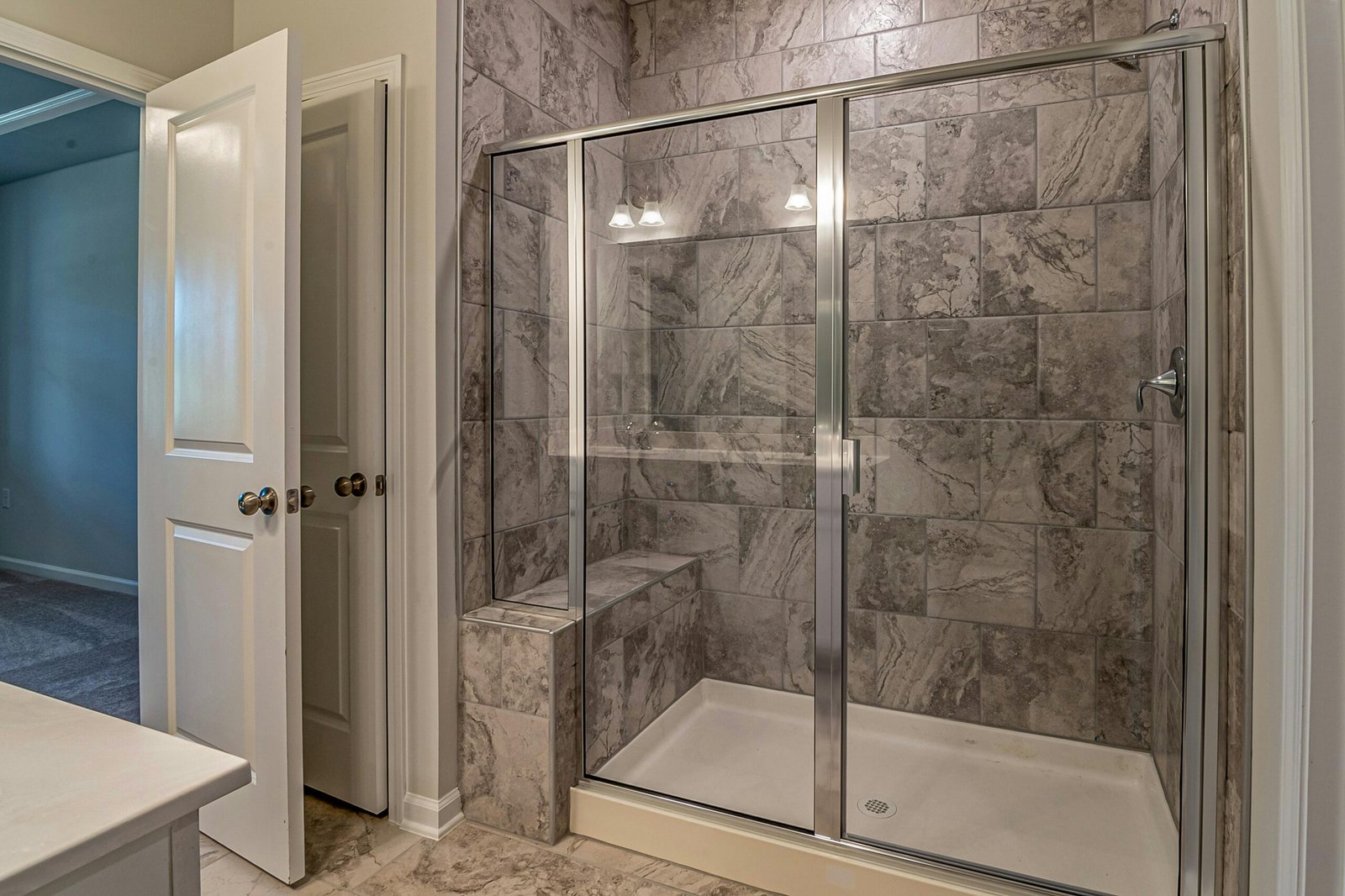
Mistakes That Make Metals Look Mismatched
The errors here are what give mixed metals a bad name, and all are avoidable.
The biggest is too many finishes with no dominant metal, so nothing anchors the room and it reads as accidental.
Another is the one off, using a finish a single time so it looks like a leftover rather than a choice.
People also clash undertones, pairing a warm brass with a cool, blue based chrome in a way that fights rather than complements.
Ignoring the fixed elements is a quiet trap, since your bathroom hardware finishes need to work with things you are keeping, like a stainless drain or an existing window frame.
And matching metals to nothing else in the room, choosing finishes in isolation from the tile, vanity, and lighting, leaves a bathroom that feels disconnected even when each piece is nice on its own.
A Contractor’s Perspective
After enough LA bathrooms, here is how I guide clients through metal mixing.
Start with the dominant metal and build out. I have clients pick the finish they love most for the faucet and shower, then choose one or two accents to layer in, never the other way around.
That hierarchy keeps the room from feeling scattered.
Second, I use the plumbing versus hardware split as a safety net. When someone is nervous about mixing, I keep all plumbing fixtures one finish and put the second metal on hardware, lighting, and the mirror.
It is nearly impossible to get wrong and always looks intentional.
Third, I watch undertone, because the most common failure I fix is a warm metal fighting a cool one.
A warm brass wants a warm complement, and forcing it against an icy chrome makes a bathroom feel off even when people cannot name why.
Finally, buy quality on anything you touch daily, since a cheap finish that wears within a year ruins the look you paid to create.
Done with these rules, mixed metals turn a flat bathroom into a layered, collected space.
Mixing Metal Finishes FAQ
Can you mix metal finishes in a bathroom?
Yes, and in 2026 it is the preferred look. A thoughtful mix of two or three finishes creates depth and a custom feel that a single matching finish cannot.
How many metal finishes should I use?
Two or three at most. Choose one dominant metal for most of the room and add one or two accents. More than three tends to look chaotic.
What metals go well together?
Brass with matte black, brushed nickel with brass, and matte black with chrome all work. Balance a warm metal with a cool one for deliberate contrast.
How do I keep it from looking mismatched?
Pick a dominant metal, repeat each finish at least twice, match undertones, and consider splitting plumbing fixtures from hardware and lighting by finish.
Does mixing metals cost more?
Rarely. Most finishes cost about the same, so mixing is a design choice, not a budget one. Spend on quality so finishes do not wear or discolor.
Can I just swap fixtures to update my bathroom?
Yes. Changing the faucet, hardware, and lighting to a fresh metal mix is one of the most affordable ways to modernize a dated bathroom.
Final Thoughts and Your Next Step
Mixing metal finishes in the bathroom is one of the smartest, most affordable ways to give a space a custom, high end, 2026 look.
The rules are simple: choose a dominant metal, limit yourself to two or three finishes, balance warm and cool, repeat each metal, and match undertones.
Follow them and the result is layered and intentional. Ignore them and it looks accidental.
The finish mix is a small detail with an outsized impact on how expensive a bathroom feels.
If you are planning a bathroom remodel or refresh this year, the smartest first step is choosing your finishes with a team that knows how to make a mix look intentional.
Book a consultation with KN Remodeling, share the fixtures you love, and let a local expert help you combine metals into a bathroom that looks collected, custom, and current.