
You are standing in a showroom, phone full of saved photos, and the salesperson asks one simple question: floating or freestanding? Suddenly you freeze. The floating one looks like the hotel bathroom you loved in Palm Springs. The traditional one has the drawers your family actually needs. This is the Floating Vanities vs Traditional Vanities decision that stalls more LA bathroom remodels than tile or paint ever will, and the right answer is not the same for every home. Before you commit thousands to the wrong one, here is how a contractor thinks it through.
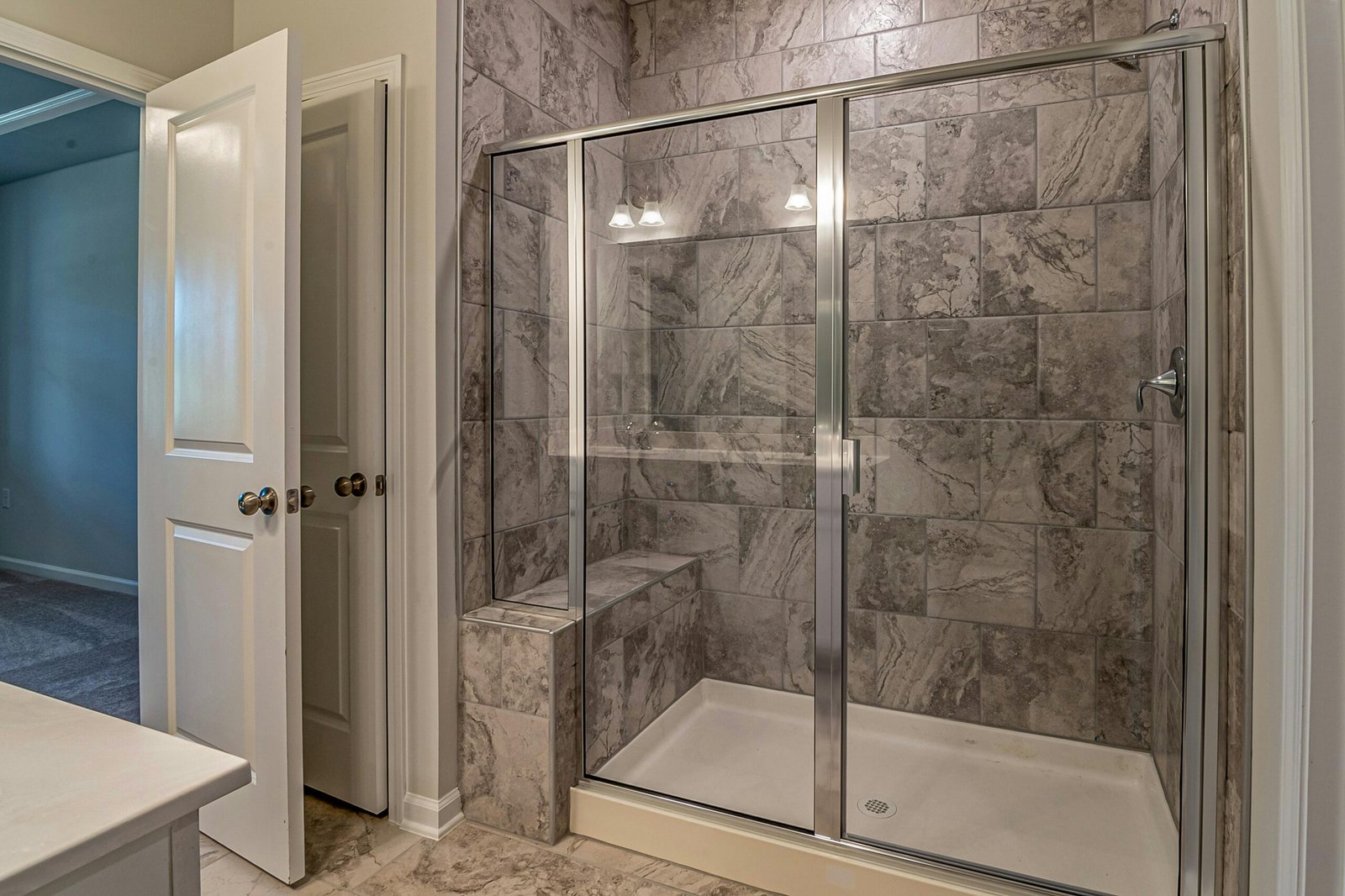
What Floating Vanities vs Traditional Vanities Means for Los Angeles Homeowners
In LA, this choice is rarely just about looks. A Wall Mounted Vanity hangs off the wall and needs solid backing to carry its weight, and a huge share of our housing stock is pre-1960s. Behind that paint you might find lath and plaster, undersized studs, or no usable blocking at all. That changes the job.
It also matters because so many LA bathrooms are small. In a 5 by 8 guest bath in Highland Park or a tight Santa Monica condo, exposing the floor under a floating unit genuinely makes the room read larger. That is why floating dominates Modern Bathroom Design here, while roomier valley homes with growing families lean traditional for the storage. They solve different problems, not different status levels.
Cost Breakdown: An Honest Bathroom Vanity Comparison
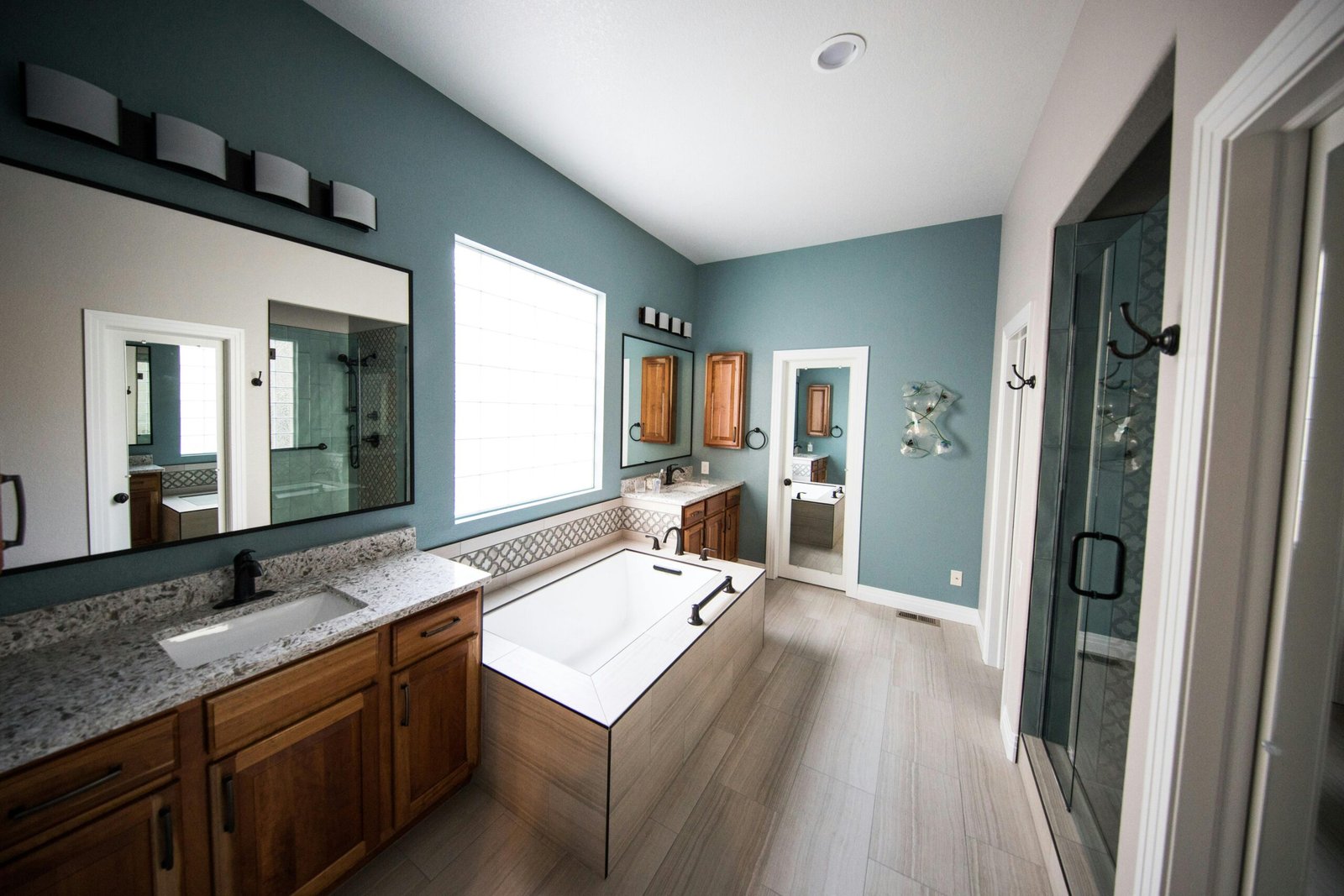
Here is where the Bathroom Vanity Comparison gets practical. The cabinet itself costs about the same either way at a given quality level: stock units run roughly $200 to $1,000, semi-custom $1,000 to $3,000, and designer or Custom bathroom vanity builders work lands anywhere from $3,000 to $8,000 and up once you add a stone top.
The real gap is installation. A standard Freestanding Bathroom Vanity swap in a same-plumbing location usually runs $200 to $500 in labor. A floating install runs $400 to $1,200, because the crew has to locate studs or add a plywood backer inside the wall, then patch drywall, which alone adds $150 to $350.
Net it out and a floating setup typically costs $300 to $800 more all-in than a comparable freestanding one. Other line items, either way:
- Old vanity demo and haul-away: $75 to $200
- Moving plumbing to a new spot: several hundred to a few thousand more
- Hiding exposed pipes on a floating unit (bottle trap, recessed valves): a small upcharge
Key Factors That Decide Floating Vanities vs Traditional Vanities
The smart pick comes down to a few variables, not vibes:
- Your wall. Floating needs load-bearing or properly reinforced backing. A quality install holds up to around 220 pounds, but only if the blocking is there.
- Room size. Small bath, go floating for the visual breathing room. These are the best Space-saving bathroom vanity options on the market.
- Storage needs. A family that shares one bathroom almost always wins with freestanding drawers.
- Plumbing visibility. Floating exposes the trap unless you plan for it. Freestanding hides everything.
- Height and accessibility. Floating mounts at any height, which is great for tall users or wheelchair clearance. Freestanding is locked to roughly 30 to 36 inches.
Common Mistakes to Avoid
The failures I get called to fix are almost always avoidable.
The big one is mounting a heavy floating vanity into bare drywall with no blocking. It feels fine for a month, then sags, cracks the caulk line, and pulls away from the wall. Second is ignoring the exposed plumbing until the unit is up, then hating how the pipes look in photos. Third is choosing floating for a storage-starved household and regretting it daily. And a quiet one: buying the vanity online before anyone measures the rough-in height, so the drain no longer lines up. Measure first, order second.
A Contractor’s Take
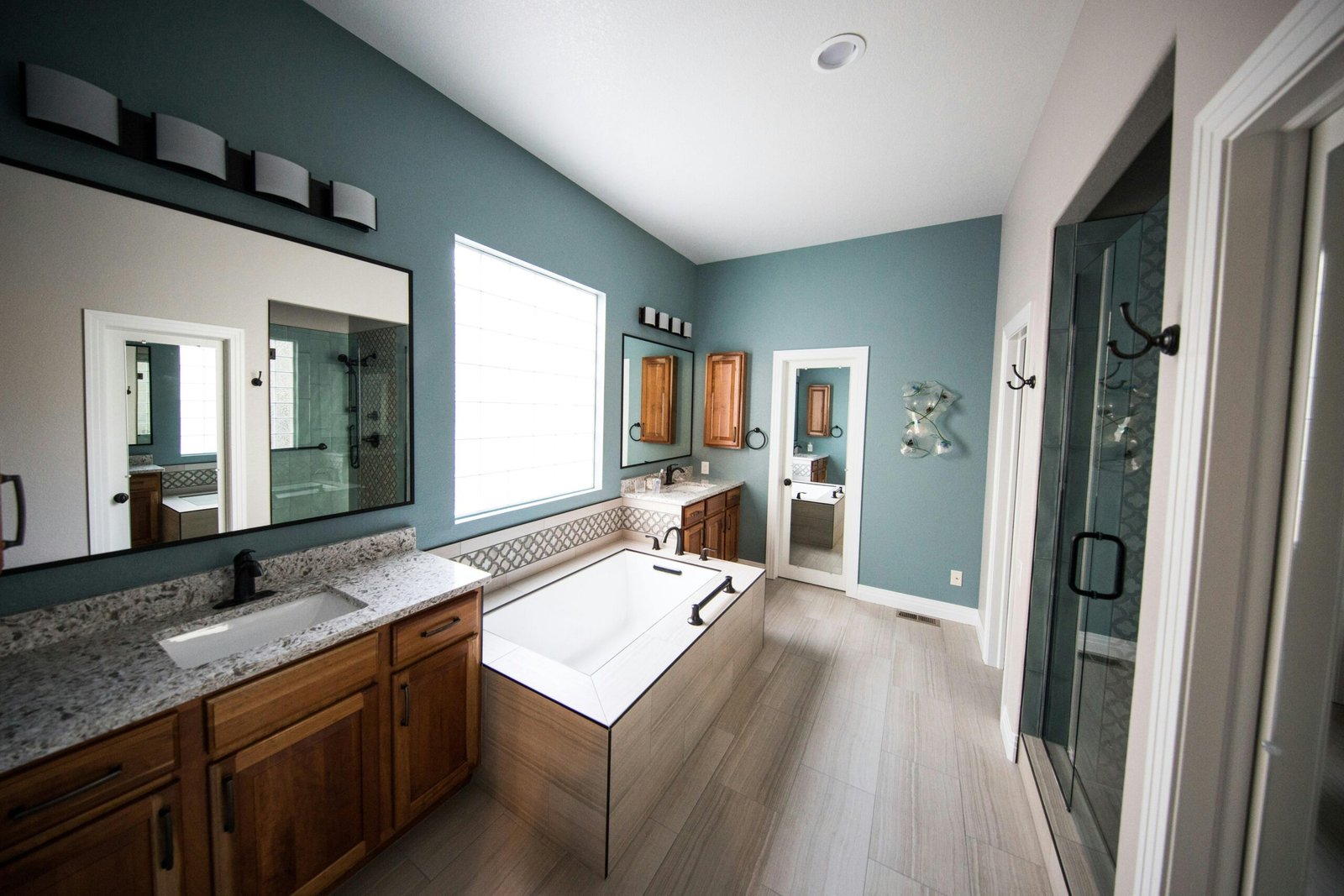
After enough LA bathrooms, my honest read is this. In a compact mid-century bath, a floating vanity earns its premium and reads as a real renovation. In a big shared bathroom, freestanding storage wins almost every time, and forcing the trend just frustrates the people using it.
When I hang one, I never trust a couple of studs. I add a continuous plywood backer behind the whole run. I also push clients toward a bottle trap or recessed valves, because the clean “nothing underneath” look is the whole reason they wanted floating in the first place. For 2026, the smartest money is transitional: the floating form people love, paired with warm wood so it still feels current in eight years. That blend shows up in nearly every good set of Bathroom vanity remodeling ideas I hand clients. One underrated perk: the open floor lets a robot vacuum clean under the cabinet, which traditional toe-kicks block.
Floating vs Traditional Vanity FAQ
Are floating vanities more expensive?
Usually, yes, by about $300 to $800 overall. The cabinet costs the same; the wall reinforcement and mounting add the labor.
Will a floating vanity hold real weight?
A properly installed one supports roughly 220 pounds. The number that matters is the blocking behind the wall, not the bracket alone.
Which is better for a small bathroom?
Floating, in most cases. Exposing the floor makes a tight LA bath feel noticeably larger.
Can any wall support a floating vanity?
No. It needs load-bearing or reinforced backing. Many older LA homes need blocking added first, which is normal and worth doing right.
Do floating vanities really have less storage?
Often, yes, since the open base sacrifices a lower cabinet. Drawer-style floating units narrow the gap but rarely beat a full freestanding cabinet.
Which adds more resale value?
Neither transforms an appraisal alone, but a clean, well-executed vanity signals an updated bathroom, which supports the value of the whole remodel. The Best floating vanity for modern bathrooms can absolutely help a listing photo pop.
Final Thoughts and Your Next Step
There is no universal winner in Floating Vanities vs Traditional Vanities. There is only the right fit for your wall, your storage, and how the room is used. If you want the modern, open look and your walls can carry it, floating is worth the extra few hundred dollars. If you need every drawer and want a simpler install, traditional is better.
The fastest way to stop second-guessing is to have a pro look at your bathroom, check the wall, and price both paths. If you are planning a remodel this year, book a quick consultation, bring your saved photos, and let a local pro tell you which option your space is built for before you order anything.